When we talk about exercise, we solely think about its physical benefits. But did you know that exercise can improve mental health?
According to research, persons who exercise consistently have greater mental health and emotional well-being, as well as a lower risk of mental disease. Why?
Exercise is frequently praised for its physical benefits, including weight management, cardiovascular health, and increased muscle strength. However, its significance to mental health is similarly significant, with an abundance of psychological benefits that improve general well-being.
Participating in exercise appears to lower the risk of getting a mental disorder. It also appears to help treat certain mental health issues, such as depression and anxiety. Exercise can also be a useful supplement to other therapy methods.
How does exercise help us feel better mentally?
People who exercise frequently do so because it makes them feel good. Exercise improves your mood, focus, and alertness. It can even help you develop an optimistic view of life. When you exercise, your brain’s chemical levels vary, including serotonin, stress hormones, and endorphins.
Importance of Exercise to Mental Health
According to the World Health Organization (WHO), Regular physical activity is proven to help prevent and manage non-communicable diseases such as heart disease, stroke, diabetes and several cancers. It also helps prevent hypertension, maintain healthy body weight and improve mental health, quality of life and well-being. Below we will be discussing the benefits of exercise to mental health;
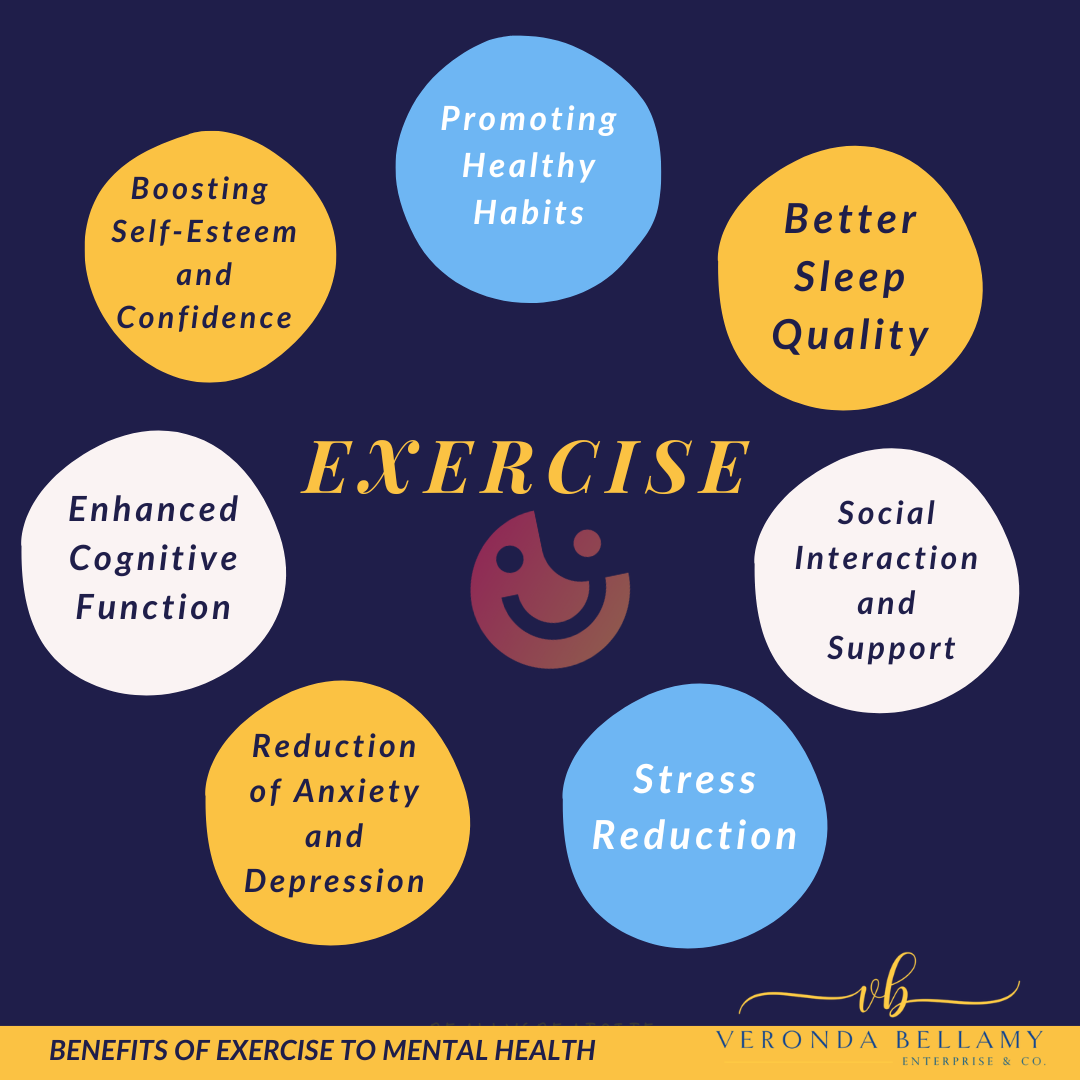
- Reduction in Anxiety and Depression
Regular physical activity may significantly reduce symptoms of depression and anxiety. Exercise stimulates the release of endorphins, which are natural mood enhancers. These molecules help reduce depression and anxiety by producing a feeling of joy known as the “runner’s high.” Furthermore, engaging in physical activities might help people get away from their anxieties and stop getting caught up in negative thoughts that feed anxiety and sadness. - Improvement of mood
Exercise has a significant effect on mood enhancement. According to research, even moderate levels of physical activity can result in considerable mood improvements. Walking, swimming, and cycling all promote the creation of chemicals such as serotonin and norepinephrine, which help regulate mood and boost sensations of well-being. Regular exercise can contribute to long-term mood improvements and a more optimistic attitude toward life. - Stress Reduction
Physical activity is an extremely excellent stress reducer. It reduces stress chemicals like cortisol and adrenaline while increasing the production of endorphins, which function as natural pain relievers and mood boosters. Exercise also improves relaxation and calmness, making it an ideal stress-management strategy. - Enhanced Cognitive Function
Exercise helps to maintain and improve mental abilities. Regular physical activity boosts blood flow to the brain, hence improving brain health and cognitive function. It has been demonstrated to increase memory, learning, and executive function while also protecting against cognitive decline as we age. - Boosting self-esteem and confidence.
Regular exercise boosts self-esteem and confidence. Achieving fitness goals, whether related to strength, endurance, or physical attractiveness, can have a substantial impact on self-esteem. Physical activity also promotes body positivity and a healthier body image, which are important aspects of mental health. - Social Interaction and Support
Many forms of exercise encourage social connection and community formation. Team sports, fitness courses, and walking groups are all examples of group activities that can help people feel more connected and supported. Social connections made through these activities can help battle emotions of loneliness and isolation, which are frequently associated with poor mental health. - Better Sleep Quality
Exercise helps to improve sleep quality. It helps balance the sleep-wake cycle and can help with sleep disorders like insomnia. A good night’s sleep is vital for mental health because it allows the brain to process emotions, consolidate memories, and recharge. Regular physical activity promotes deeper, more restful sleep, which improves general mental health. - Promoting Healthy Habits
Regular physical activity can promote the development of other good behaviors. Regular exercisers are more likely to eat healthily, avoid dangerous substances, and participate in other mental health-promoting activities. These good lifestyle modifications can have a cumulative effect, improving overall health.
When we talk about exercise, we solely think about its physical benefits. But did you know that exercise can improve mental health?According to research, persons who exercise consistently have greater mental health and emotional well-being, as well as a lower risk of mental disease. Why?Exercise is frequently praised for its physical benefits, including weight management, cardiovascular health, and increased muscle strength. However, its significance to mental health is similarly significant, with an abundance of psychological benefits that improve general well-being.Participating in exercise appears to lower the risk of getting a mental disorder. It also appears to help treat certain mental health issues, such as depression and anxiety. Exercise can also be a useful supplement to other therapy methods.How does exercise help us feel better mentally?People who exercise frequently do so because it makes them feel good. Exercise improves your mood, focus, and alertness. It can even help you develop an optimistic view of life. When you exercise, your brain’s chemical levels vary, including serotonin, stress hormones, and endorphins.Importance of Exercise to Mental HealthAccording to the World Health Organization (WHO), Regular physical activity is proven to help prevent and manage non-communicable diseases such as heart disease, stroke, diabetes and several cancers. It also helps prevent hypertension, maintain healthy body weight and improve mental health, quality of life and well-being. Below we will be discussing the benefits of exercise to mental health;
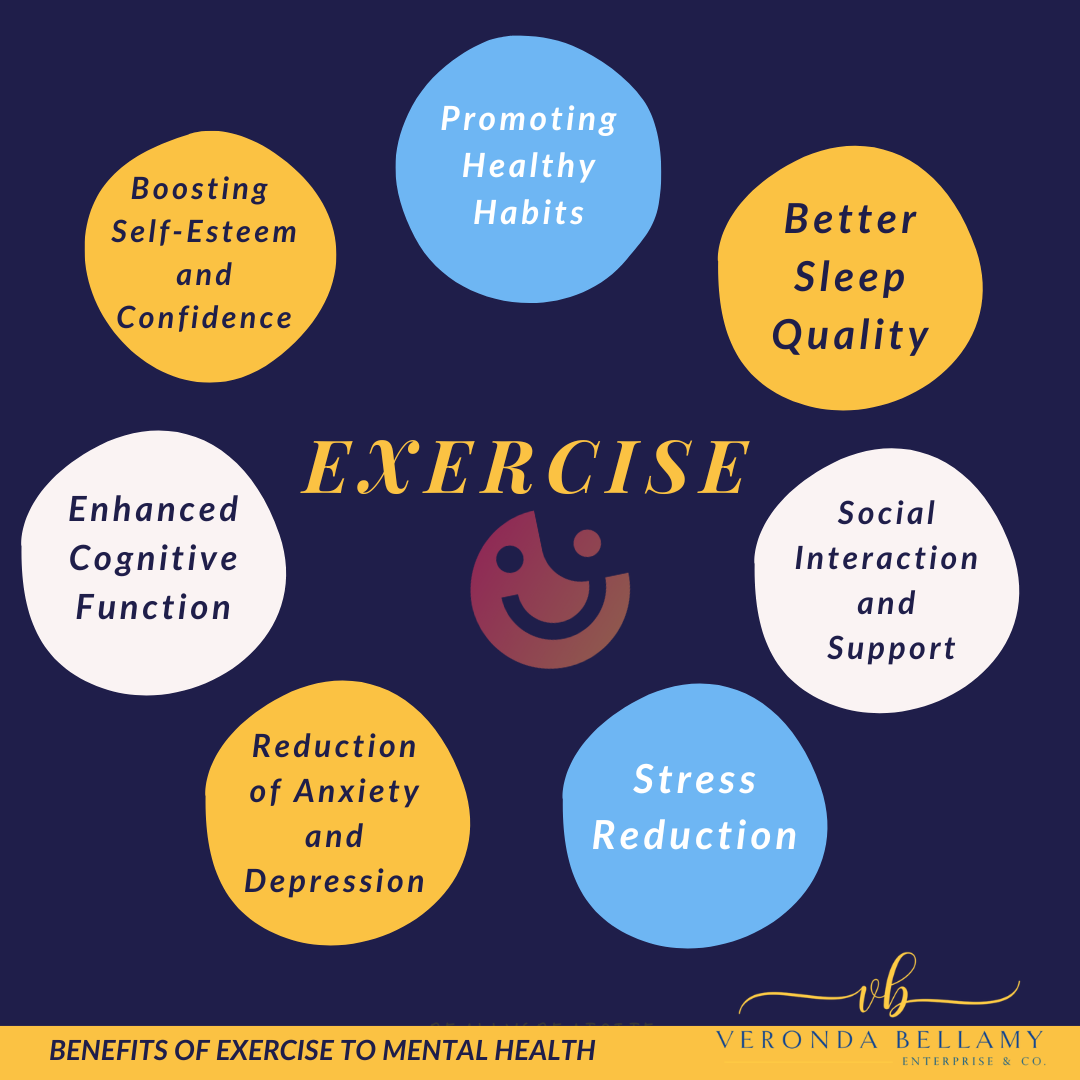
Reduction in Anxiety and Depression Regular physical activity may significantly reduce symptoms of depression and anxiety. Exercise stimulates the release of endorphins, which are natural mood enhancers. These molecules help reduce depression and anxiety by producing a feeling of joy known as the “runner’s high.” Furthermore, engaging in physical activities might help people get away from their anxieties and stop getting caught up in negative thoughts that feed anxiety and sadness.Improvement of mood Exercise has a significant effect on mood enhancement. According to research, even moderate levels of physical activity can result in considerable mood improvements. Walking, swimming, and cycling all promote the creation of chemicals such as serotonin and norepinephrine, which help regulate mood and boost sensations of well-being. Regular exercise can contribute to long-term mood improvements and a more optimistic attitude toward life.Stress Reduction Physical activity is an extremely excellent stress reducer. It reduces stress chemicals like cortisol and adrenaline while increasing the production of endorphins, which function as natural pain relievers and mood boosters. Exercise also improves relaxation and calmness, making it an ideal stress-management strategy.Enhanced Cognitive Function Exercise helps to maintain and improve mental abilities. Regular physical activity boosts blood flow to the brain, hence improving brain health and cognitive function. It has been demonstrated to increase memory, learning, and executive function while also protecting against cognitive decline as we age. Boosting self-esteem and confidence. Regular exercise boosts self-esteem and confidence. Achieving fitness goals, whether related to strength, endurance, or physical attractiveness, can have a substantial impact on self-esteem. Physical activity also promotes body positivity and a healthier body image, which are important aspects of mental health.Social Interaction and Support Many forms of exercise encourage social connection and community formation. Team sports, fitness courses, and walking groups are all examples of group activities that can help people feel more connected and supported. Social connections made through these activities can help battle emotions of loneliness and isolation, which are frequently associated with poor mental health.Better Sleep Quality Exercise helps to improve sleep quality. It helps balance the sleep-wake cycle and can help with sleep disorders like insomnia. A good night’s sleep is vital for mental health because it allows the brain to process emotions, consolidate memories, and recharge. Regular physical activity promotes deeper, more restful sleep, which improves general mental health.Promoting Healthy Habits Regular physical activity can promote the development of other good behaviors. Regular exercisers are more likely to eat healthily, avoid dangerous substances, and participate in other mental health-promoting activities. These good lifestyle modifications can have a cumulative effect, improving overall health.