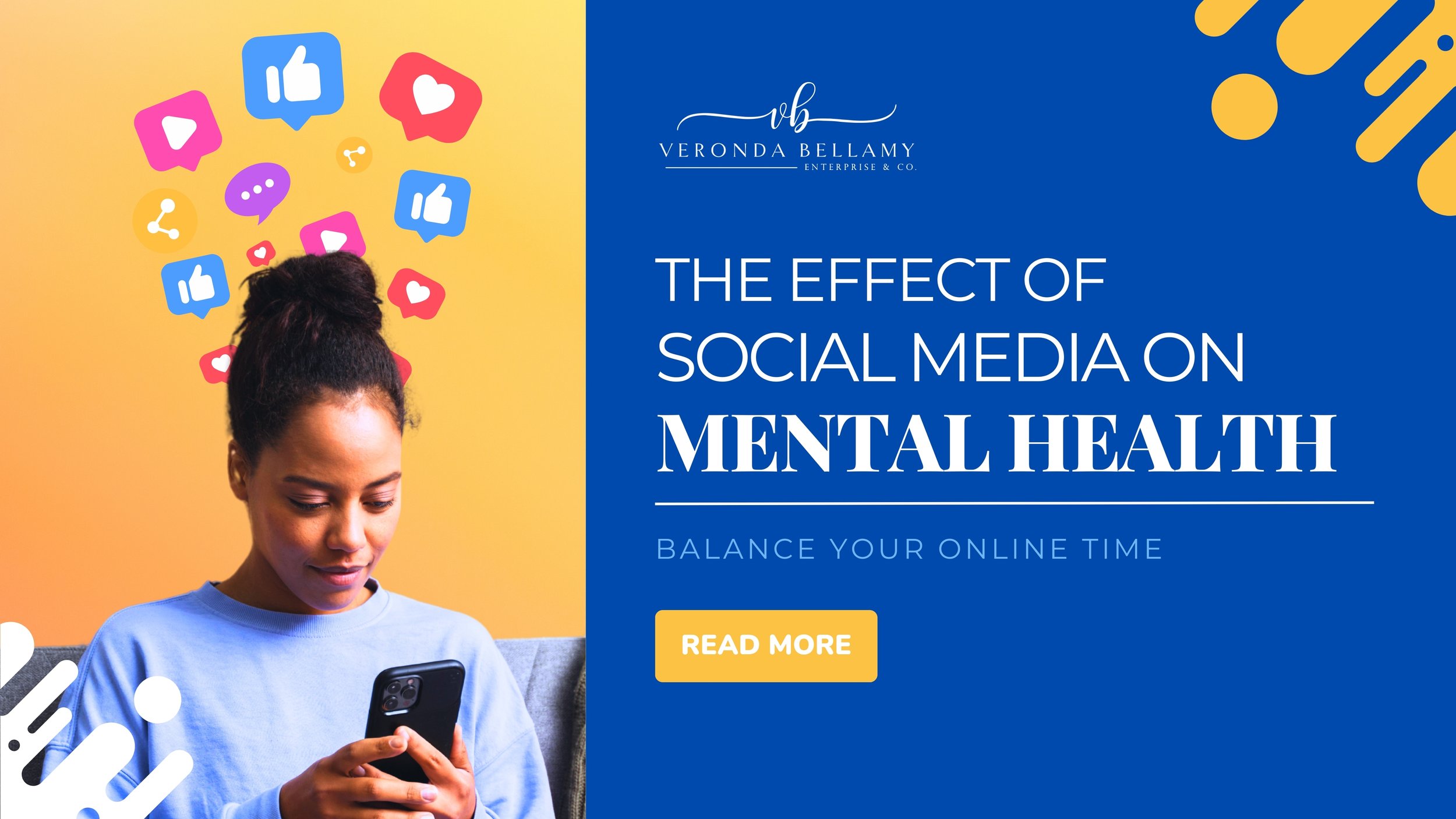
It is no longer news that social media has become a part of people’s lives, even though it has various effects, both positive and negative. Its ability to connect people from all over the world has provided various benefits to human life and modern society. Platforms such as Facebook, Instagram, Twitter, TikTok, and LinkedIn allow users to interact, exchange, and access information. However, the widespread usage of social media has sparked concerns about its potential impact on mental health. Many people find it difficult to stay away from devices, which ultimately has a negative impact on their overall well-being. As we progress, we will go into detail on both the positive and negative effects on our lives. Would you care to know? Continue reading.
What are the Positive Effects of Social Media?
- Social Support and Connections: Social media may encourage a sense of belonging and support. People can retain relationships with friends and family over extended distances. Online support groups and communities enable people to share their experiences and advice, which is especially helpful for those suffering from specific health conditions or life challenges.
- Access to Information and Resources: Social media platforms are excellent sources of information. They can share educational resources and create awareness about mental health issues, so eliminating stigma. Users can also access mental health options, such as therapy and self-help tools.
- Opportunities for Self-Expression: Social media allows people to express themselves and be creative. Users can express their views, art, and ideas, which can be both empowering and healing. Many people find that this type of expression helps them cope with stress and boost their self-esteem.
What are the Negative Effects of Social Media?
- Comparison and Self-Esteem Issues: One of the most serious negative consequences of social media is that users tend to compare themselves to others. Platforms frequently promote idealized images and lifestyles, causing feelings of inadequacy and low self-esteem. This behavior, referred to as social comparison, can be especially detrimental to teens and young adults.
- Cyberbullying and Harassment: Because social media provides anonymity, it can lead to bad behaviors such as cyberbullying and harassment. Victims of online bullying may suffer serious psychological consequences, including despair, anxiety, and, in extreme situations, thoughts of suicide.
- Addiction and Distraction: Excessive usage of social media can develop to addiction, which is defined by compulsive platform checking and excessive online time. This addiction can disrupt daily activities, work, and face-to-face contact, resulting in social isolation and stress.
- Sleep Disturbances: The usage of social media, particularly before bedtime, has been connected to sleep disruptions. The blue light emitted by screens can disrupt the production of melatonin, a hormone that regulates sleep. Poor sleep quality is linked to a variety of mental health concerns, including despair and anxiety.
- Fear of Missing Out (FOMO): Constant exposure to other people’s highlights and activities might cause feelings of missing out. FOMO can lead to emotions of loneliness, worry, and unhappiness with one’s personal life. The ongoing drive to stay current can also lead to stress and a decrease in general well-being
So how can we balance it to avoid all these negative effects?
- Attentive usage: Promoting attentive social media usage can help lessen its negative consequences. Setting time limits, taking regular breaks, and being aware of the information absorbed can help to reduce the risk of addiction and negative emotional consequences.
- Virtual Cleansing: Regular vacations from social media help reset the mind and minimize reliance. This technique can help you think more clearly and feel less stressed.
- Positive Content and Interactions: Promoting and participating in positive content and interactions can increase the benefits of social media. Supporting friends, joining uplifting networks, and disseminating good messages can all help to improve your overall experience and mental health.
- Seeking Professional Help: For those who have been seriously affected by the negative features of social networking, consulting a therapist or counselor might be therapeutic. Mental health specialists can offer techniques and help for dealing with social media stress.
Social media has a complex impact on mental health, both positive and negative. While social media provides numerous advantages in terms of connection, support, and information, it also introduces concerns such as social comparison, cyberbullying, and addiction. Individuals can maximize the benefits of social media while minimizing its potential drawbacks by encouraging attentive use and balancing online and offline connections. As social media evolves, more research and awareness are needed to better understand and treat its impact on mental health.
If you are already addicted to social media and need help getting out, you should schedule a discovery call with us right away using this link. You shouldn’t have to experience the unpleasant consequences of social media. Do not put off doing this. To discover more about creating and maintaining happiness throughout life, sign up for our upcoming Happyology Masterclass Portal here. It would be helpful if you did not skip this journey. Register now.