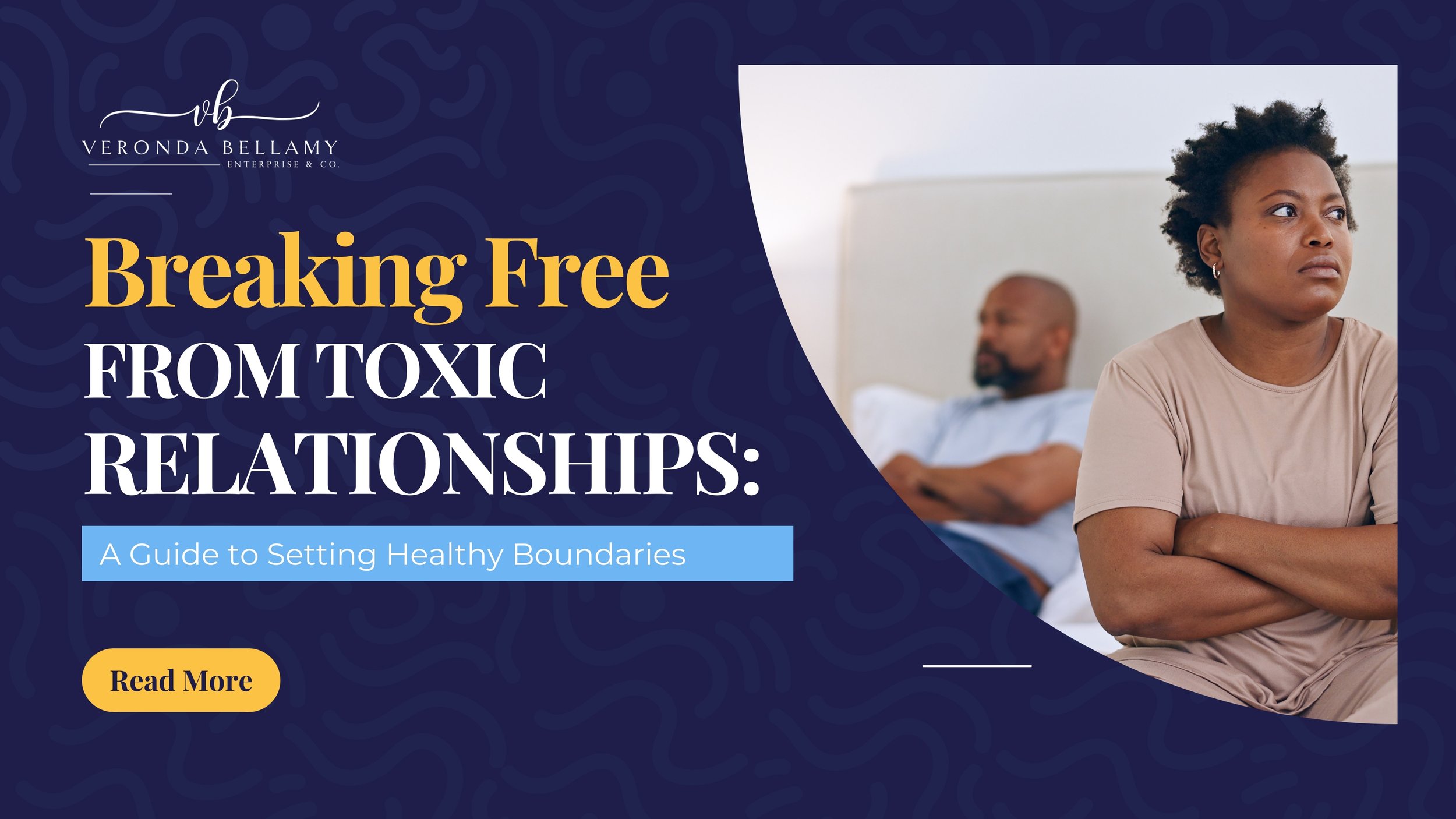
Are you tired of feeling drained, belittled, and unappreciated in your relationships? Do you feel like you’re constantly walking on eggshells, trying to avoid conflict and maintain peace? If so, you may be in a toxic relationship. Toxic relationships can take many forms, including romantic partnerships, friendships, family relationships, and even work relationships.
The good news is that you don’t have to stay stuck in these harmful dynamics. By setting healthy boundaries, you can break free from toxic relationships and cultivate positive connections that support your well-being.
What are Healthy Boundaries?
Healthy boundaries are the limits we set for ourselves to protect our physical, emotional, and mental well-being. They define what we are and are not comfortable with in our relationships. Healthy boundaries are essential for building and maintaining healthy relationships, and they involve:
- Communicating your needs and expectations clearly
- Respecting others’ boundaries
- Being assertive and direct
- Setting limits and consequences
- Prioritizing self-care and self-respect
Signs of Toxic Relationships
Before we dive into setting healthy boundaries, let’s identify some common signs of toxic relationships:
- Constant criticism and belittling
- Emotional manipulation and gaslighting
- Disrespect and disregard for boundaries
- Control and possessiveness
- Lack of empathy and support
- Emotional or physical abuse
Setting Healthy Boundaries
Now that we’ve identified the signs of toxic relationships, let’s explore how to set healthy boundaries:
- Identify Your LimitsStart by recognizing what you are and are not comfortable with in your relationships. What behaviours or actions make you feel disrespected, hurt, or angry? What are your non-negotiables?
- Communicate Your NeedsOnce you’ve identified your limits, communicate them clearly and assertively to the other person. Use “I” statements to express your feelings and avoid blaming or attacking language.
- Set ConsequencesEstablish consequences for when someone crosses your boundaries. This can be as simple as taking a break from the relationship or seeking outside support.
- Prioritize Self-CareRemember that setting healthy boundaries is not selfish; it’s essential for your well-being. Prioritize self-care activities, such as exercise, meditation, or spending time with supportive friends and family.
- Seek SupportSurround yourself with people who respect and support your boundaries. Seek therapy or counseling to help you navigate toxic relationships and develop healthy communication skills.
Breaking Free
Breaking free from toxic relationships takes courage and support. Remember that you deserve to be treated with respect, kindness, and compassion. By setting healthy boundaries, you can:
- Reclaim your power and autonomy
- Cultivate positive, nourishing relationships
- Improve your mental and emotional well-being
- Develop healthy communication skills
- Live a more authentic, fulfilling life
Setting healthy boundaries is a journey, not a destination. It takes time, effort, and support to break free from toxic relationships and cultivate positive connections. Remember that you deserve to be treated with respect and kindness, and that setting healthy boundaries is an act of self-love and self-respect. Take the first step today and start building the relationships you deserve.