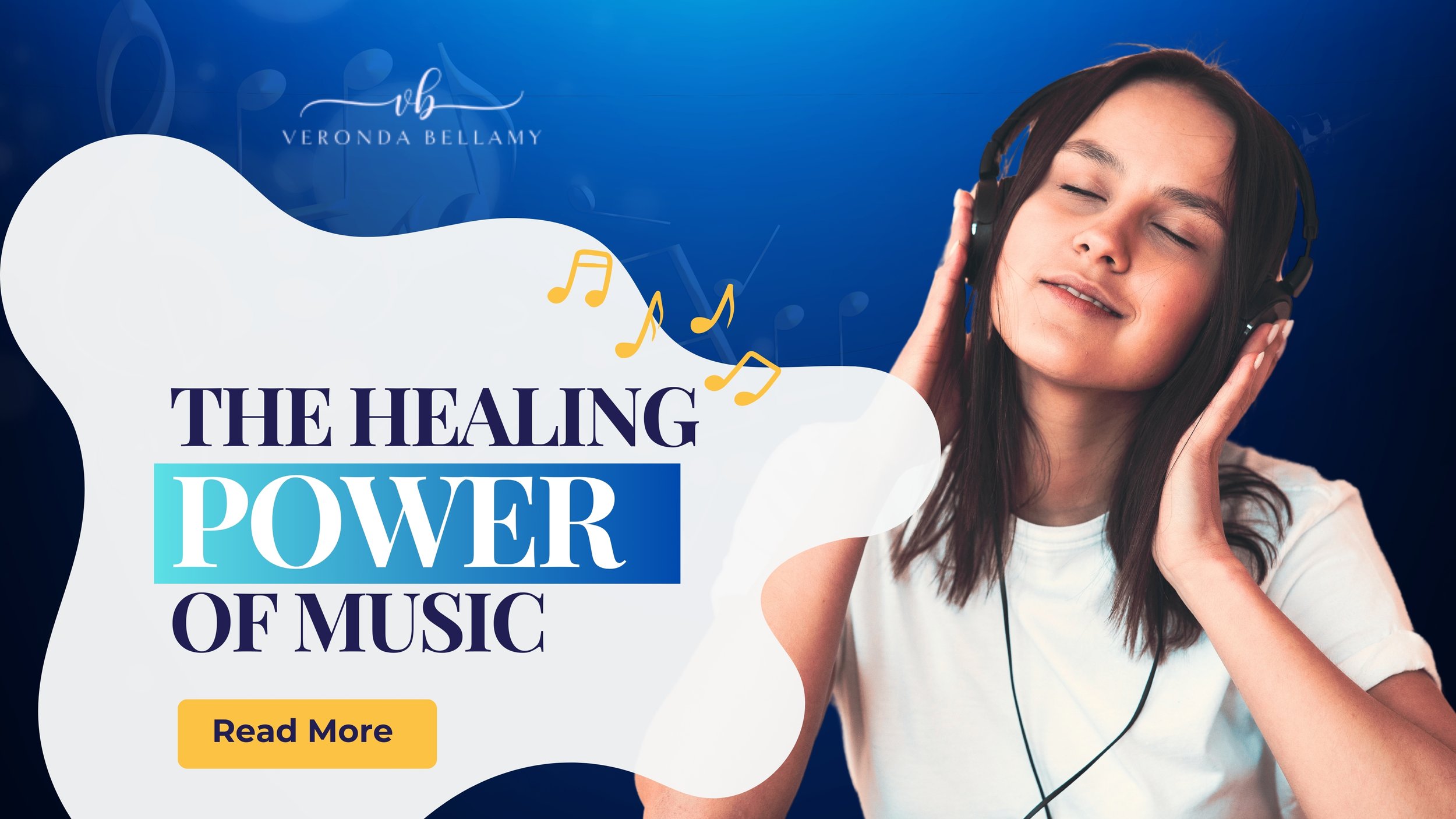
Music will always be a part of a person, no matter how bitter they are; the genre only changes. The rhythm frequently flows quietly to the spirit, nurturing us till we are transformed from a gloomy to a cheerful state. The most important thing is to find one that suits you, whether it’s the chirping of birds or the chords of a musical instrument.
Down Memory Lane. Music has been an integral part of human culture and experience for thousands of years, transcending time and social boundaries. The healing power of music is an intriguing topic that touches on many aspects of human life, including mental health, physical well-being, and emotional balance.
What are the impacts of Music?
Music has an amazing impact, ranging from personal growth to global togetherness.
- Evoking Emotions: Music has a powerful ability to stir emotions, resulting in a personal yet common experience. Music has an emotional impact, whether the joyful beats of a pop song make you want to dance or the melancholy sounds of a classical piece make you cry. The rhythm and music might evoke memories, taking you to another time and place. Lyrics can communicate feelings that are difficult to define, providing comfort and understanding.
- Improve Mental Health: Music has been shown to reduce stress, anxiety, and depression, and can even help alleviate symptoms of PTSD. It is an effective technique for enhancing mental health. It can relieve stress, anxiety, and improve your mood. Listening to your favorite music causes the production of dopamine, the brain’s “feel-good” neurotransmitter, which improves your general sense of well-being. Music therapy is used to help people cope with a variety of mental health difficulties by providing emotional release and a form of self-expression. Playing an instrument or singing can also be a sort of mindfulness, allowing you to concentrate and minimize negative thoughts. Accept the therapeutic power of music and allow it to be your partner on the path to better mental health.
- Bring People Together: Music has the power to unite people across cultures, generations, and borders, creating a sense of community and belonging. It have the uncommon ability to bring people together, regardless of language, culture, or age. Concerts, festivals, and community events bring people together and create lasting memories. Singing along with your favorite music or dancing to the beat creates a sense of togetherness and connection. Music’s universal language fosters comprehension and empathy, allowing people to connect via shared emotions and stories. Whether it’s a family gathering, a celebration, or a global event, music creates a serene atmosphere that unites us all.
- Inspire Creativity: Music can influence art, literature, and even technology, driving innovation and progress. It is a strong stimulation for creativity, inspiring and igniting the imagination. Whether you’re an artist, writer, or thinker, the rhythm and melody of music can inspire fresh thoughts and perspectives. Listening to different genres stimulates the brain, fostering creative thinking and new ways to problem resolution. Making music, whether through composition or improvisation, improves creative abilities, promoting self-expression and artistic development. Music sets the tone, invigorating or relaxing the mind, making it simpler to get into a creative flow.
- Enhance Physical Performance: Music can improve athletic performance, boost motivation, and even help with physical therapy and rehabilitation. It has a huge impact on physical performance, providing the perfect rhythm and motivation for exercise. Upbeat music boosts energy levels, making it easier to get through challenging exercises. The right soundtrack can improve focus and assist athletes in maintaining constant speed and timing. Music also reduces the sensation of exertion and tiredness, allowing for longer and more intense workouts. Whether you’re running, lifting weights, or dancing, music can boost your performance, making it more enjoyable and productive.
- Provide Comfort and Solace: Music can offer comfort in times of grief, loss, or hardship, providing a sense of hope and resilience. It has a wonderful capacity to bring comfort and peace in terrible situations. A calming melody or familiar tune can relax the mind, relieve stress, and provide a sense of tranquillity. Lyrics that speak to your feelings can help you feel understood and less alone. Music therapy is frequently used to help people cope with sorrow, anxiety, and depression by providing a relaxing getaway and emotional support. Whether it is a cherished song or a peaceful instrumental, music can be a haven, giving warmth and healing when words are enough.
- Improves sleep: Listening to soothing music can help individuals fall asleep faster, sleep more soundly, and even reduce symptoms of insomnia. Music can greatly improve sleep quality, serving as a natural and relaxing cure for insomnia and restless nights. Soft, peaceful melodies assist in relaxing your mind and body, putting you in a pleasant state suitable for sleep. Slow-tempo music, particularly classical or ambient, helps lower heart rate and stress levels, making it ideal for a good night’s sleep. Listening to music before bed might help you build a relaxing nighttime habit by indicating to your brain that it’s time to unwind.
Music, being a universal language, communicates directly with our hearts, souls, and minds, encouraging empathy, understanding, and connection. It has the power to trigger memories, shape identities, and preserve cultural history, demonstrating the human spirit’s ability to be creative, resilient, and expressive.
As we continue to negotiate the difficulties of our world, let us embrace music’s ability to inspire, heal, and connect. Let us enjoy its uniqueness, beauty, and power to bring people together. Music serves as a reminder of our shared humanity, love, compassion, and potential to create a more harmonious, just, and beautiful world.